

Endodontic Retreatment in Saint Joseph MO
What is Endodontic Retreatment?
At Northwest Endodontics in Saint Joseph, MO, we specialize in endodontic retreatment, a procedure designed to fix problems with a previously treated root canal. If you’re experiencing pain, discomfort, or infection in a tooth that’s had a root canal before, endodontic retreatment may be necessary to save your tooth.
What is Endodontic Retreatment?
Endodontic retreatment is a procedure used to address persistent issues after a root canal treatment. While a root canal is designed to eliminate infection and preserve a tooth, complications can arise that may require further treatment. If a tooth fails to heal or symptoms like pain persist, Dr. Ryan Walker and our expert team may recommend endodontic retreatment.
Signs You May Need Endodontic Retreatment
If you’ve had a root canal in the past but are experiencing any of the following symptoms, it could indicate the need for retreatment:
- Persistent Pain or Sensitivity: A dull or sharp pain, especially when chewing or applying pressure, can signal a problem with the original root canal.
- Swelling or Tenderness: Swelling around the tooth or tenderness in the gums may indicate an infection.
- Abscess Formation: A small pimple-like bump on the gums near the treated tooth could be a sign of infection.
- Discoloration of the Tooth: If the tooth becomes darker or discolored over time, it may indicate an issue with the root canal.
If you’re noticing any of these symptoms, it’s essential to seek consultation with an experienced endodontist like Dr. Ryan Walker to evaluate whether retreatment is necessary.
Why Do Teeth Require Retreatment?
There are several reasons why a root canal may fail, including:
- Unseen Curved or Narrow Canals: During the initial root canal, some canals may be missed or not fully cleaned.
- Infected Restorations: If the restoration (crown or filling) is not sealed correctly or deteriorates, bacteria can reinfect the tooth.
- New Decay or Cracks: New damage to the tooth can expose the root canal filling, leading to infection.
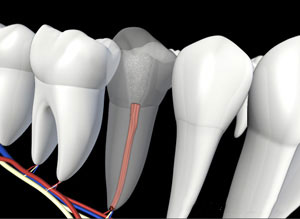
Inflamed Tissue
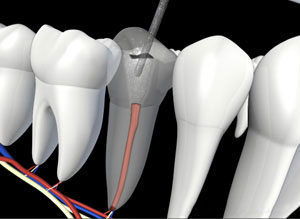
Filling Removed
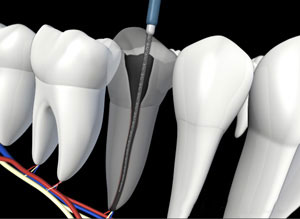
Canals Cleaned
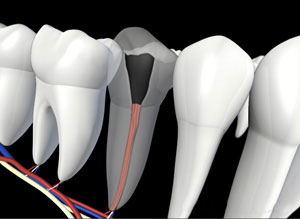
Root Material Placed
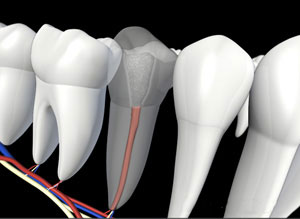
Filling Restored
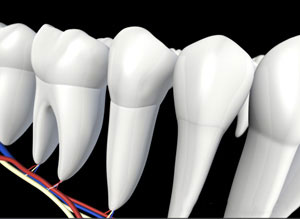
Healed Tooth
Are you ready to smile pain-free again?
Dr. Walker offers a number of dental treatments that can keep your mouth healthy and your smile beautiful. Contact us today!
How to Prepare for Your Endodontic Retreatment Appointment
Preparation for the procedure is relatively simple, but there are a few steps you can take to ensure a smooth experience:
- Discuss Your Medical History: Be sure to inform Dr. Walker of any medications you’re currently taking or any recent health changes.
- Comfortable Clothing: Since the procedure may take some time, wear comfortable clothing and bring something to pass the time, such as a book or music.
- Arrange for a Ride: While the procedure is not typically complicated, you may feel a bit groggy after anesthesia. It’s a good idea to arrange for someone to drive you home.
The Endodontic Retreatment Procedure
During endodontic retreatment, Dr. Walker will reopen the tooth to access the original root canal filling. The old material will be removed, and the canals will be thoroughly cleaned and disinfected. After that, new filling material is placed, and the tooth is sealed. Depending on the situation, a temporary filling will be applied, and you may need to return to your regular dentist to restore the tooth with a crown or permanent restoration.
How Long Does Endodontic Retreatment Take?
Typically, the procedure takes one or two visits, depending on the complexity of the case. The first visit involves cleaning and preparing the tooth, while the second visit focuses on placing a final restoration, such as a new crown.
Benefits of Endodontic Retreatment
Endodontic retreatment can save a tooth that might otherwise need extraction. By addressing infections and sealing the tooth, the procedure can alleviate pain and restore full functionality, giving you a pain-free smile once again.
FAQs About Endodontic Retreatment
1. Is endodontic retreatment painful?
While you may experience some discomfort after the procedure, modern anesthesia techniques ensure that the treatment itself is virtually pain-free. Any soreness typically resolves within a few days.
2. How successful is endodontic retreatment?
The success rate of endodontic retreatment is very high, especially when performed by an experienced endodontist like Dr. Walker. Most patients experience relief from pain and achieve long-term tooth preservation.
3. Can endodontic retreatment be done on any tooth?
Yes, retreatment can be performed on most teeth that have previously undergone root canal therapy. The treatment’s success largely depends on the extent of the damage and the condition of the tooth.
Why Choose Northwest Endodontics?
- Experienced Endodontist: Dr. Ryan Walker has extensive experience in endodontic retreatments, ensuring you receive the highest standard of care.
- Advanced Technology: We use the latest in diagnostic and treatment technology to ensure the best possible outcomes for our patients.
- Comprehensive Care: Our team works closely with your general dentist to ensure seamless care and complete restoration.
Schedule Your Appointment for Endodontic Retreatment
If you’re experiencing discomfort or suspect your root canal needs retreatment, contact Northwest Endodontics today. Call us at Northwest Endodontics Office Phone Number 816-364-4422 to schedule an appointment or use our online contact form for easy booking.
Northwest Endodontics
Our Latest Patient Testimonial
Great experience.
- Stacie P
Our Latest Patient Testimonial
Good
- Jlm B
Our Latest Patient Testimonial
The most Gentle Dentist I have ever been to, and was very attentive to my pain and comfort while in the chair! Just wish he did cleaning, fillings and etc work. Lol. Wonderful experience if I may say for going to the Dentist,
- Brenda M